
Pedagogy of Play
Much is known about the importance of play in children’s development, yet little research has explored what it might mean to put play at the heart of schooling. Since 2015, the Pedagogy of Play (PoP) research project have been exploring just that.
The History of Pedagogy of Play (PoP)
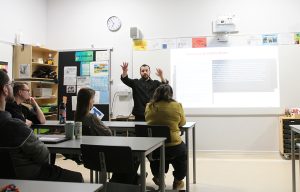
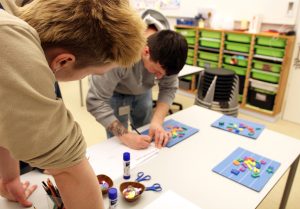
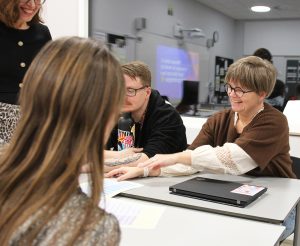
The Pedagogy of Play project began at ISB in 2015 and has continued to grow and evolve ever since. Thanks to a generous grant from the LEGO Foundation, ISB teachers-researchers are given time to participate in PoP study groups where they hypothesize, experiment, discuss, and ask questions about learning through play.
Case studies:
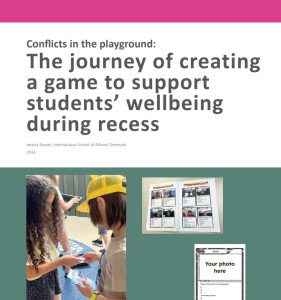
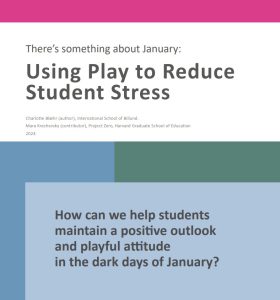
Explore our pictures of practice to see examples of how play-based learning shapes life at ISB – from the classroom to the playground and beyond!
Why Play?
At ISB, we believe play is essential to learning—and life. Playful learners of all ages explore, take risks, and embrace mistakes as a part of the learning process. They share ideas, create, and laugh.
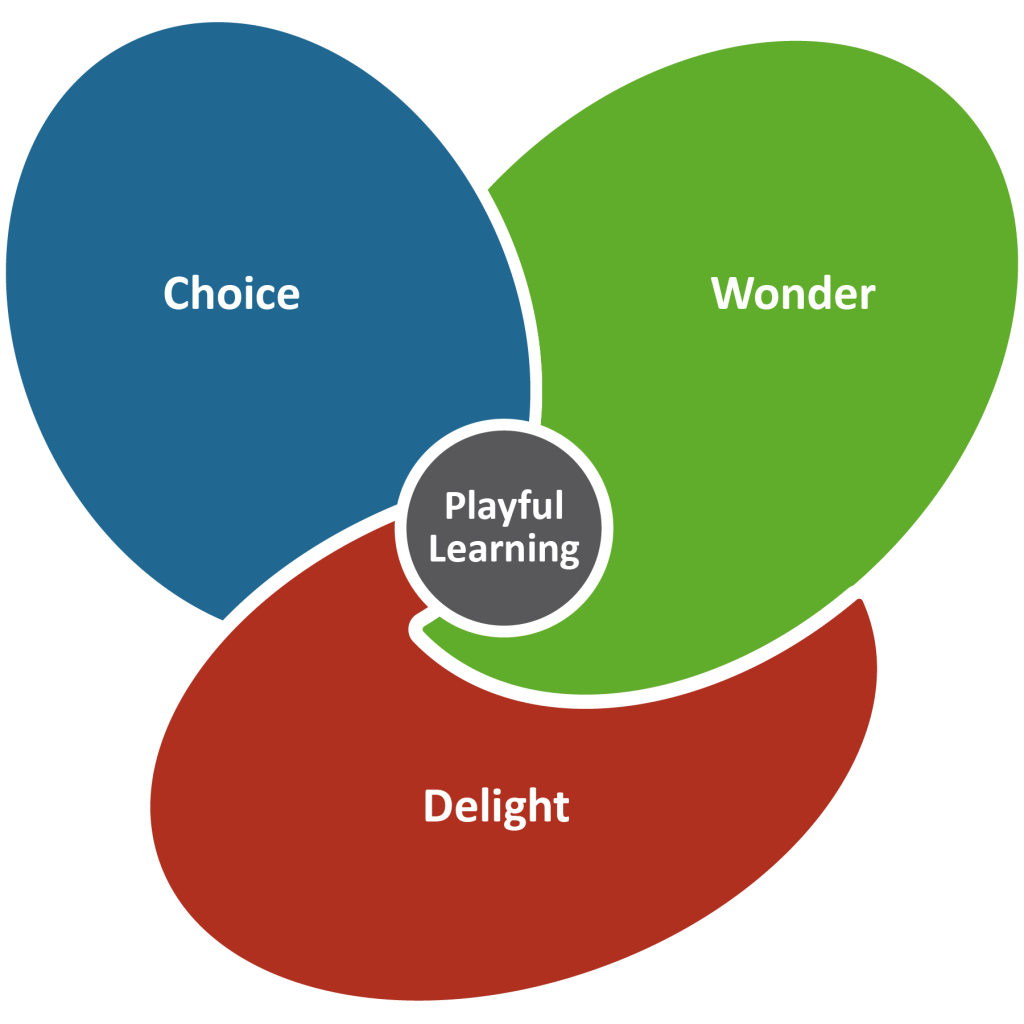
By fostering a culture of playful learning—built on choice, wonder, and delight —we equip students with the curiosity, resilience, and compassion to thrive in school and beyond.
Wherever life takes them, ISB graduates will seek knowledge, take risks, and care for others.
They will play, and they will learn.
Read more about PLAY
The positive effect of play on children’s intellectual, social, emotional, and physical development is well-documented, and we take it as given that bringing more play into the institutions tasked with nurturing these skills can only be a good thing! Research on PLAY below.
For a few years now we have hosted the Playful School Conference. A conference that brings together practitioners with playful mindsets from all over the world. We are happy to share the recordings of the different sessions! Enjoy!
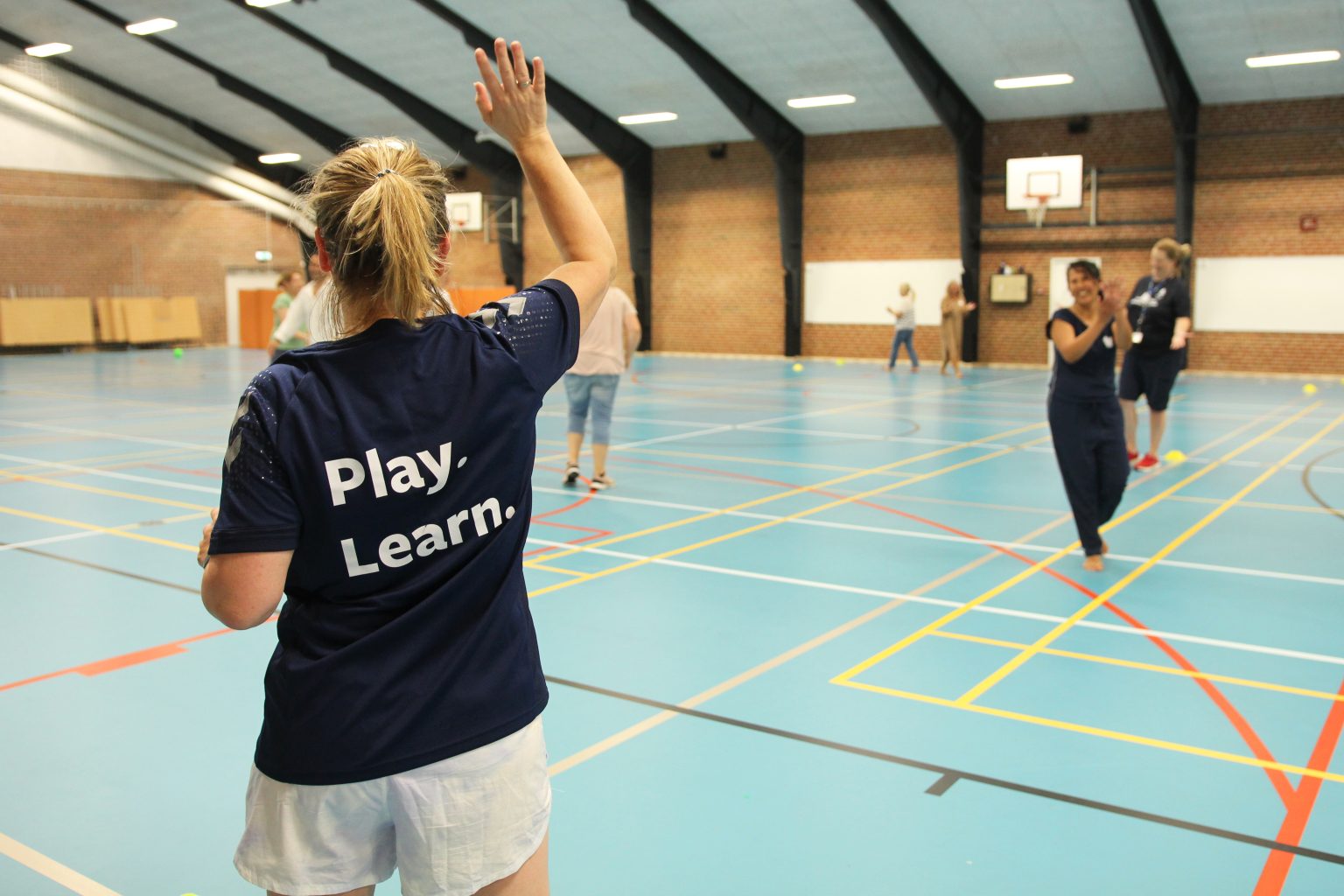
Play. Learn.
Play. Learn. was the title of the Anniversary book we published in 2022, collecting stories from International School of Billund’s first years. The Anniversary book is about the vision and pedagogy of ISB, and also have stories from our Head of School, parents, staff members, the architect behind the expansions, and so much more.
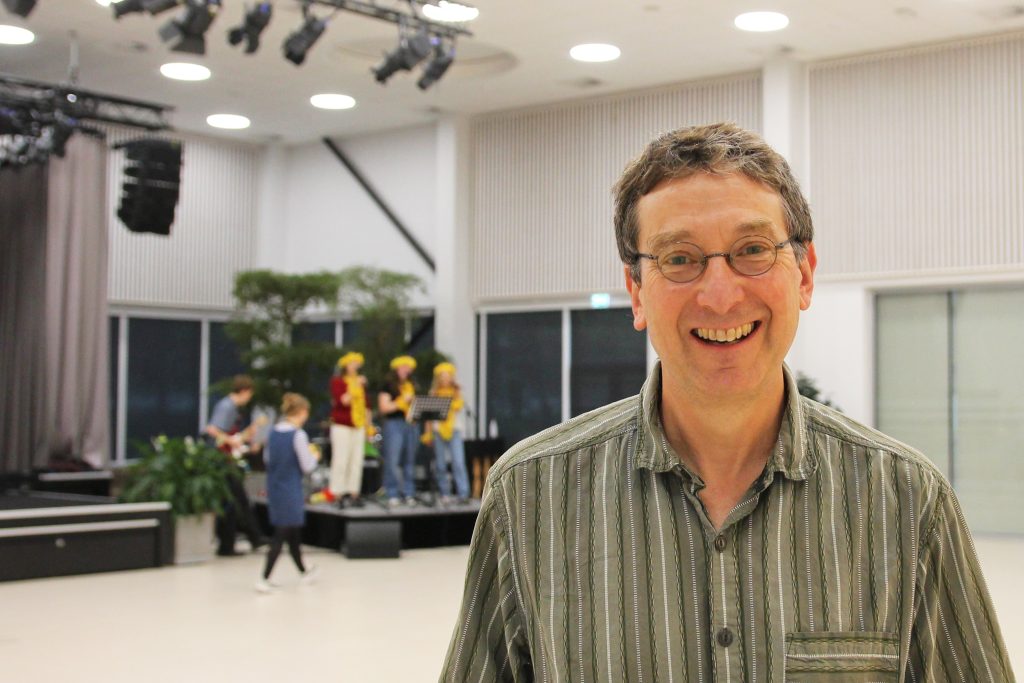
Enjoy this chapter where Ben Mardell, researcher from Project Zero, talks about Playful Learning and the development of a Pedagogy of Play.

Developing a pedagogy of Play (PoP)
The What if school
Learning through play is actually a very old idea. The Greek philosopher Plato, who lived about 2,400 years ago, talked about learning through play. So did ancient Chinese philosophers, as well as a Persian philosopher who spoke about the importance of being playful when learning something new. According to Ben Mardell, there are many places in the world where play is still used to support learning. “But ISB is unique because, in its vision, the school makes clear that play is at the heart of education,” says Ben Mardell.
Since 2015, Ben has taken more than 30 trips between Boston (USA) and Billund in order to visit ISB, where he and his colleagues at Harvard Graduate School of Education’s Project Zero have been helping to develop a pedagogy of playful learning in partnership with ISB educators.
It’s important in play that the children agree on the rules themselves. If we want to raise children who are flexible, active, creative and collaborative, then they need to be able to make the rules.
The Pedagogy of Play (PoP) project is supported by the LEGO Foundation. “We have had two tasks. First, to support the school and its work in developing a pedagogy. The school had a vision for playful learning, but what does that mean, exactly? Second, we wanted to take the ideas developed at ISB out into the world so children in other countries could experience them as well.”
Indicators and study groups
“Through the years, we have had ideas about playful learning that we have shared with teachers at The International School of Billund. And at the same time, we have learned
from teachers’ experiences with playful learning in the classroom.”
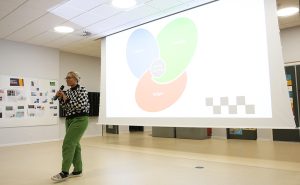
“When we asked the teachers here at ISB what they believed to be involved in playful learning, we got a broad palette of answers. Everything from playing outside, to creative projects, to playing games. So we worked together with the teachers to land on a set of indicators that are present in play. We observed teaching situations, we talked with teachers, students and administrators, and we drafted a model with three indicators: choice, wonder and delight. It’s this model that we have continued to work with in other parts of the world.”
Project Zero was also part of establishing study groups, where teachers met and chose topics to research during the school year. Teachers shared examples from the classroom with their groups, gathered data, and explored what worked and what didn’t. At ISB, Ben has seen many good examples of play as a part of learning. For example the day that children in Kindergarten made an ice cream shop. Some were customers, others sold ice cream, and whilst they had to discuss the rules of the game. “It’s important in play that the children agree on the rules themselves. If we want to raise children who are flexible, active, creative and collaborative, in order for them to be able to solve pressing local and global issues in a democratic manner, they need to be able to make the rules.”
The world needs adults who dare to ask the question: “What if…” It’s the question at the heart of playful learning!
“At some schools, children are told: ‘Here are the rules: follow them!’ That’s not the case when children play their way to learning. Here, we need to let children be flexible.”
“When we look at M1-M5, where children have to demonstrate what they have learned, they get to choose for themselves how they want to show that. They could, for example, produce a play, write an essay, make a video or something totally different. They learn that there is more than one way. They get to ask, what if? ”
What has Ben learned?
After seven years of observing, discussing and analysing, Ben and his colleagues from Boston are now primarily consultants in relation to the pedagogy of ISB. The question is, then: what has he learned? Does it work–playful learning? The answer is a resounding YES! “I’m not a good judge of wine, but I am good at assessing a school and a class. After ten minutes in a classroom, I can say whether it’s a good class or not. At ISB, I have seen children that are engaged and have good energy. I see students noticing whether everyone is being included in the game, and I see teachers skilled at supporting and challenging children.” “The teachers, of course, have individual approaches to playful learning and that’s why it’s important that two things be present at a school in order for this to work: it’s about having a common mindset among leaders, teachers and students, and ensuring that this is part of the school’s whole culture. At ISB we see everyone rowing together. There is really constructive collaboration here at the school.”
You have to take risks, and when you do that, you will make mistakes. But even people who don’t take risks make mistakes.
More openness to playful learning
Finally – how will playful learning be used in the future? “In this world, we need adults who dare to ask: what if? Who can imagine new possibilities, who are creative, can work in groups, adjust, and confront big challenges. Who don’t accept things as they are. And this is what happens when children play,” says Ben.
In 2023, the collaboration between ISB and Project Zero will draw to a close. Ben and his colleagues are already working to share the good experiences from ISB with other schools around the world. They are finalising a book that will be available online for free, featuring among others, practical examples from ISB. According to Ben, many parts of the world are opening up to the idea of playful learning. “For example, at Project Zero we also have projects in South Africa, USA, and Colombia in South America. Some countries have decided that students should learn through play, for example Scotland and South Africa. And in China, play is an important part of Kindergarten. There are similarities in approaches to playful learning among countries, but there are also differences. That makes sense since it is each individual country’s culture that shapes HOW children play.”
Collaboration
In 2015, a collaboration was established between Project Zero at the Harvard Graduate School of Education and the LEGO Foundation. Ben Mardell, lead researcher at Project Zero, would work with ISB teachers to develop a pedagogy of play. The project was supported by the LEGO Foundation.